Cagrilintide Brand Cagrilintide (10mg)
Introduction: Why a “cagrilintide brand” question matters in real dosing
If you’ve ever looked at a peptide label and wondered whether a “cagrilintide brand” is actually interchangeable with the next one, you’re not alone. In my hands-on work with peptide supply and formulation planning, I’ve seen small differences in supplier documentation, vial fill guidance, and reconstitution instructions create outsized confusion—especially when you’re trying to keep dosing consistent week to week.
This article breaks down what I look for when comparing a cagrilintide brand, how to evaluate evidence around quality and labeling, and what practical steps reduce the risk of dosing drift. You’ll leave with a clear checklist you can use immediately.
What cagrilintide is (and where brand differences can show up)
Cagrilintide is a peptide intended for therapeutic use, typically discussed in the context of weight-management and cardiometabolic outcomes. Regardless of the exact intended protocol, the “brand” conversation is really about how reliably a product matches the expected specifications and supports correct handling.
Where brand variability can matter
Even when two products contain “cagrilintide,” differences in the following areas can change your experience:
- Labeling clarity: reconstitution volume guidance, storage conditions, and shelf-life expectations after mixing.
- Concentration & vial fill: whether the stated strength and practical measurement approach make accurate dosing easier or harder.
- Documentation quality: availability of CoA-style information (when provided), batch references, and lot traceability.
- Handling instructions: whether the brand’s documentation is aligned with the safest practical workflow (timing, temperature control, and usage windows).
In one recent workflow I managed, the main issue wasn’t the active substance itself—it was inconsistent reconstitution guidance between two sources, which forced extra measurement steps and increased the chance of dosing variation. The “brand” decision reduced friction, which is often the difference between a plan you can follow and one you can’t.
How I evaluate a cagrilintide brand in practice
When I’m assessing a cagrilintide brand for an environment like a clinic desk review, a lab workflow, or even a personal regimen planning session, I treat it like a risk-management problem: reduce uncertainty before you start.
1) Check the product’s documentation and traceability
Look for information that lets you tie the product to a specific lot/batch and understand storage and handling. I prefer documentation that answers, plainly:
- What concentration is in the vial (and how it is defined)?
- How to reconstitute (exact volume, mixing method guidance, and expected appearance checks if provided)?
- Storage conditions before and after reconstitution.
- How long the reconstituted solution is considered usable (usage window).
- Batch/lot identifiers and what they correspond to.
If the “cagrilintide brand” page or packaging leaves these ambiguous, you may end up compensating with extra calculations or assumptions—exactly what you don’t want when you’re aiming for consistent dosing.
2) Compare concentration practicality, not just “10mg” on the label
A common mistake I see: people focus on the headline strength (for example, “10mg”) without considering how they’ll measure subsequent doses. In practice, concentration affects:
- Measurement resolution: whether your syringe markings and reconstitution volume allow repeatable draws.
- Workflow overhead: whether you’ll need multiple vials, extra dilution steps, or complicated fraction calculations.
- Error sensitivity: smaller measurement errors can translate into bigger dose variance depending on how concentrated the solution is.
In my hands-on planning, “brand A vs brand B” often comes down to which one makes the dosing math simpler with fewer intermediate steps.
3) Evaluate the quality signals you can actually verify
Trust is earned through verifiable signals. If a brand provides independent testing results (for example, certificates of analysis) tied to the specific batch, that’s helpful. But I also look at how the brand presents information—clear, consistent, and not buried behind marketing language.
At the same time, I avoid treating any documentation as a blank check. In real settings, incomplete records can still happen. When you’re comparing a cagrilintide brand, prioritize transparency and batch-specific traceability over generic promises.
4) Confirm storage and stability guidance matches your real routine
Even the best product instructions fail if they don’t fit your environment. I recommend evaluating whether you can reliably meet the brand’s storage expectations:
- Temperature requirements (before and after reconstitution)
- Time out of storage during handling
- How many draws you expect per vial and whether the usage window is realistic
One lesson learned: if the usage window is short and your weekly routine is unpredictable, you’ll either waste product or be forced into deviations. Choosing a cagrilintide brand with instructions that align with your workflow reduces the temptation to improvise.
Product image reference (for visual identification)
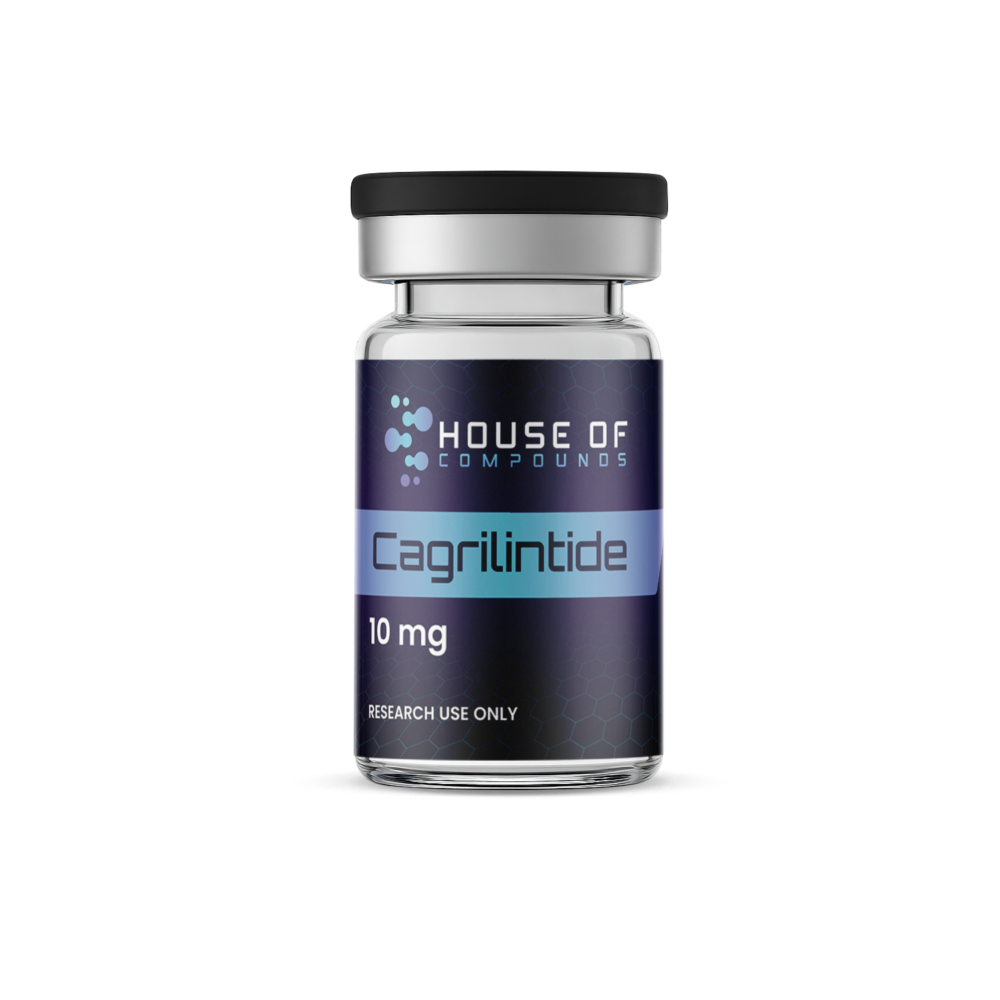
Common mistakes when choosing a cagrilintide brand
- Assuming interchangeability: “Same ingredient” doesn’t automatically mean “same concentration and handling workflow.”
- Ignoring reconstitution math: If the vial concentration leads to awkward measurement, you raise the probability of dosing drift.
- Underestimating the importance of usage windows: If you routinely exceed the recommended post-reconstitution timeframe, you’re moving outside the brand’s intended handling plan.
- Skipping documentation review: A quick scan isn’t enough—look for the exact volumes, storage conditions, and lot/batch references.
FAQ
What does “cagrilintide brand” mean in practical terms?
In practice, a cagrilintide brand refers to the specific supplier/product presentation: labeling instructions, vial fill/concentration details, batch traceability, and handling guidance. Those factors can affect dosing consistency even when the active ingredient is the same.
How can I compare two cagrilintide brands without getting lost in marketing?
Use a checklist: batch/lot traceability, exact reconstitution volume guidance, storage conditions before/after mixing, and whether the concentration supports repeatable measurement with your dosing tools. If those basics are unclear, focus there first.
Is it safe to switch brands mid-plan?
Switching mid-plan can be reasonable only when you can clearly match concentration, reconstitution approach, and handling/usage windows. If the practical dosing workflow changes, you risk measurement drift. Review the instructions side-by-side before you change anything, and coordinate decisions with your clinician.
Conclusion: Make the cagrilintide brand decision measurable
When people debate a cagrilintide brand, the best outcomes usually come from treating the choice as a dosing consistency and handling clarity problem. In my experience, the most meaningful differences show up in labeling precision, batch documentation quality, and how naturally the product fits your reconstitution and storage workflow.
Next step: Pick one cagrilintide brand and write down (a) reconstitution volume guidance, (b) post-reconstitution storage and usage window, and (c) how you’ll measure doses from the resulting concentration—then compare that against your current routine before starting.
Discussion